Can Businesses Be Sued Over Rodent-Borne Illnesses Like Hantavirus?
Hantavirus Exposure and Premises Liability: Can Georgia Businesses Be Held Responsible?
ATLANTA, Ga. — Concerns about rodent-borne illnesses such as hantavirus occasionally raise legal questions about whether businesses, landlords, or property owners could face liability if unsafe conditions contribute to exposure.
Recent public discussion has increased following reported international health incidents, including a cruise ship situation involving suspected hantavirus cases that were investigated by health authorities. According to reporting by global health agencies and news organizations, the situation remains under review, and no court has made any determination regarding liability. Health officials have also emphasized that hantavirus infections remain rare and are not easily transmitted under ordinary circumstances.
According to the Centers for Disease Control and Prevention (CDC), hantavirus is primarily spread through contact with infected rodents, particularly through exposure to urine, droppings, or saliva. Infection typically occurs when contaminated particles become airborne and are inhaled.
While most cases in the United States are associated with rural or enclosed environments with rodent activity, exposure risks can potentially arise in a wide range of properties if infestations are not properly addressed.
If you or a loved one has suffered illness or harm after suspected exposure to unsafe property conditions—such as rodent infestations or sanitation issues at an apartment complex, hotel, workplace, or other commercial property—understanding how Georgia premises liability law may apply early can help clarify your legal options. Contact Georgia Victims now to speak with someone about your case and possible next steps.
What Is Hantavirus?
Hantavirus pulmonary syndrome (HPS) is a rare but serious respiratory illness associated with certain rodent species. Early symptoms can resemble influenza and may include:
- Fatigue
- Muscle aches
- Chills
- Headache
- Nausea
In severe cases, the illness can progress to respiratory distress and require emergency medical treatment. The CDC emphasizes that prevention primarily involves avoiding rodent exposure and maintaining safe, sanitary environments.
Cruise Ship Incident and Public Attention
Recent international reports involving a cruise ship outbreak investigation have contributed to renewed public interest in hantavirus and related exposure risks. Health authorities and news organizations reported that suspected cases were identified among passengers, prompting medical monitoring and epidemiological investigation.
However, it is important to note:
- The investigation is ongoing
- The exact source and mode of exposure has not been definitively established in public findings
- No court has determined liability related to the incident
Public health agencies have continued to stress that hantavirus transmission is uncommon and generally requires specific exposure conditions involving infected rodents or contaminated environments.
This type of incident has nonetheless prompted broader legal discussion about how businesses — including cruise operators, hotels, and other commercial property owners — respond to sanitation concerns and potential health hazards.
Could Georgia Businesses Be Held Liable?
Potentially, yes — but only in certain circumstances.
Under Georgia premises liability law, property owners and businesses generally have a duty to maintain reasonably safe conditions for lawful visitors, tenants, and customers.
Liability may become a legal question if evidence shows that:
- A property owner knew or should have known about a rodent infestation
- Reasonable pest control or sanitation measures were not taken
- Complaints or warnings were ignored
- Unsafe conditions were not corrected within a reasonable time
Examples of potentially relevant conditions may include:
- Long-term rodent infestations in apartments or rental properties
- Unsanitary conditions in hotels or short-term rentals
- Food-service businesses cited for pest activity
- Warehouses or workplaces with repeated contamination complaints
- Failure to implement basic sanitation or pest control procedures
That said, not every exposure leads to legal liability. These cases are highly fact-specific and often depend on whether there is clear evidence linking the property condition to the illness. If you are unsure whether a case may exist, contact Georgia Victims for a legal review of the facts. We can help clarify whether the situation meets Georgia’s legal standards.
Proving a Premises Liability Claim in Georgia
To bring a premises liability claim involving suspected hantavirus exposure, a claimant generally must show:
1) Duty of Care
The property owner owed a legal duty to maintain reasonably safe conditions.
2) Breach of Duty
The owner failed to take reasonable steps to address known or foreseeable hazards, such as rodent infestations or sanitation issues.
Evidence may include:
- Inspection reports
- Pest control records
- Tenant or customer complaints
- Photographs or video
- Maintenance logs
3) Causation
One of the most challenging elements is proving that exposure occurred at a specific location.
Because hantavirus exposure can occur in multiple environments and symptoms may resemble other illnesses, medical and environmental evidence is often required.
4) Damages
This may include:
- Medical expenses
- Lost wages
- Pain and suffering
- Long-term complications
- Or wrongful death damages in severe cases
Is Hantavirus a Negligent Security Issue?
No. In most cases, hantavirus exposure is analyzed under premises liability law rather than negligent security principles.
Negligent security cases typically involve foreseeable criminal acts such as assaults, robberies, or shootings. Rodent-related illness cases instead focus on sanitation, maintenance, and property condition issues.
Georgia and Atlanta Property Considerations
In Georgia, including Atlanta and surrounding areas, property owners and managers are expected to take reasonable steps to maintain safe conditions.
This may include:
- Regular inspections
- Prompt response to pest complaints
- Compliance with health and safety regulations
- Maintaining clean and sanitary conditions
- Hiring pest control services when needed
Georgia law does not impose automatic liability for the presence of rodents or illness. Instead, courts generally evaluate whether the property owner acted reasonably under the circumstances.
Public Health Perspective
Health authorities, including the CDC and Georgia Department of Public Health, continue to emphasize that hantavirus remains rare in the United States. Preventive measures are focused on avoiding contact with rodents and improving sanitation in affected environments.
Source Information
All factual health information is based on publicly available guidance from:
- Centers for Disease Control and Prevention – Hantavirus
- Georgia Department of Public Health
- World Health Organization – Hantavirus Information
News reports regarding the cruise ship incident are based on ongoing public reporting from international media outlets; however, details remain under investigation and subject to update.
Have You or a Loved One Been Harmed by Unsafe Property Conditions in Georgia?
Georgia Victims — Unsafe conditions involving rodent infestations, sanitation failures, or poorly maintained properties can raise questions about whether a property owner or business took reasonable steps to prevent harm.
Violent crime can leave lasting physical, emotional, and financial harm. Knowing your rights, understanding available resources, and having access to accurate information can make a meaningful difference during recovery.
- Were rodent complaints ignored?
- Were sanitation issues left unresolved?
- Did management fail to respond to known hazards?
- Were inspections or pest control measures delayed or inadequate?
In some situations, individuals may question whether preventable property conditions contributed to illness or injury.
If you or a loved one became seriously ill after suspected exposure at an apartment complex, hotel, workplace, restaurant, or other commercial property in Atlanta or elsewhere in Georgia, you may wish to understand your legal options.
Have you been harmed due to someone’s negligence? Have questions, need support, or want to speak with someone about your rights as a victim? Contact us today. We offer our legal assistance, if desired. We represent our Clients on a contingency agreement, which generally means that no fees or payments are owed until and unless we recover.
When safety failures occur, the impact can be permanent. Read more about how Georgia Victims supports survivors and families across Georgia in the pursuit of justice after violent incidents, including cases involving apartment complex shootings in Georgia. You can also view our guide, on When to Hire an Attorney After a Car Accident: Georgia Guide, on our main firm website for more information about legal options after serious accidents.
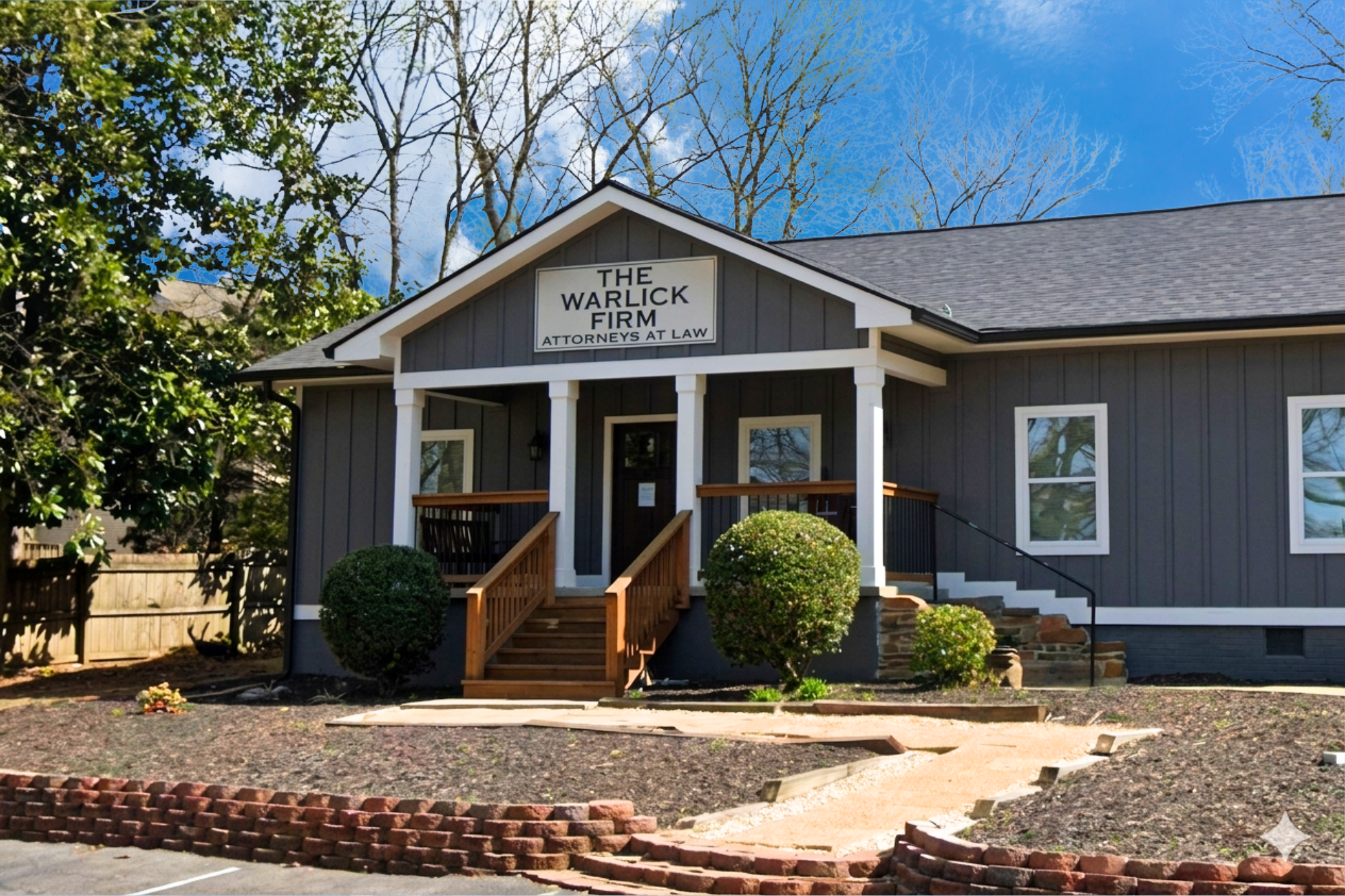
Image source: The Warlick Personal Injury Firm in Woodstock Georgia